
How to monetize cultural festivals online

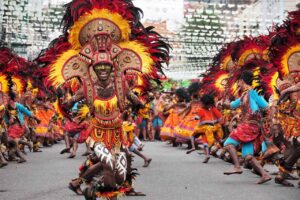
Cultural festivals express the richness of tradition, history, and creativity and present opportunities to bring people together through arts, music, food, dance, and ritualistic events. Traditionally, cultural festivals have been funded through governments or cultural organizations, or through physical attendance ticket sales. But with globalization and digitalization, cultural festivals can exist beyond the reach of on-ground participants. With the right online marketing strategies, a cultural festival can reach an audience beyond national frontiers for purposes of visibility and monetization.
This article addresses some practical, modern, and creative ways to monetize cultural festivals online, thus allowing both organizers and communities involved to sustain these events while making them available to all.
Why monetizing cultural festivals online matters
Cultural festivals are far beyond mere means of entertainment; rather, they serve as living archives of the past, identity, and communities in which they nest. However, organizing cultural festivals comes with a hefty price tag for logistics, securing performers, providing security, and organizing advertisements. Dependence on local ticket sales and government funding is no longer enough to sustain these festivals.
Events organized online and monetized provide opportunities for global audiences, sponsors, and other income streams that help sustain the existence of these events year after year. In other words, profit is not the only purpose of online monetization; it is also about ensuring a future for cultural heritage in a digital-first world.
There are many benefits of monetizing cultural festivals online:
- Worldwide reach: Anyone around the world can experience the festival.
- Diversified income streams: It is limiting to depend solely on ticketing or sponsorship.
- Sustainability: Income from online participation will foster the sustenance of future festivals.
- Cultural preservation: Recordings and platforms will archive these festivals for posterity.
How to monetize cultural festivals online
The beauty of online monetization is that its advantages extend festivals beyond a one-time event, making them sustainable income sources. Here are some of the best ways to monetize cultural festivals online:
1. Live streaming events and pay-per-view options
Easy as it sounds, the organizers can live-broadcast all the performances and activities put together during the cultural festival and link to a global audience. Broadcasting would allow an online audience to view the event in real time. The spectators would pay access through the pay-per-view method, contrary to digital tickets. This requires good cameras, a stable internet connection, and a secure distribution platform.
YouTube, Facebook Live, or Twitch remain the more common options. Nonetheless, specialized event streaming providers generally add other options like ticketing and audience analytics. To promote sales, features such as VIP streams with backstage access or artist interviews could be offered for free to ticket buyers.
2. Virtual ticketing and passes
Digital tickets can be given to online audiences, just as physical attendees purchase tickets as a form of admission. These may vary from some cheap live streaming access tickets to higher-end packages with exclusive workshops, demos, and Q&A sessions with the performers. By giving levels, you allow the audience to pick just how deeply they wish to engage with the event.
A properly structured virtual ticketing system generates income while enhancing the feeling of formality and thus, value to the online audience.
3. Sponsorships and brand partnerships
Probably the most ideal way to finance cultural festivals is through sponsorships, and the move to online really makes them attractive to brands. Sponsors connect to the global community through live stream, virtual tickets, and online promotions.
Event organizers have creative opportunities to offer sponsors such as branded segments during performances, co-branded videos, or virtual booths where companies engage directly with festival-goers. The most important part, however, is selecting partners whose values align with those of the festival, thus allowing authenticity at the same time that money is being made.
Because digital platforms track engagement (views, clicks, and shares), sponsors also achieve measurable outcomes, thus building strong partnerships in the long term.
4. Merchandize and eCommerce
Merchandise has always been prominent in festivals, and taking it online wonderfully enlarges potential markets. E-commerce offers branded shirts, hats, mugs, and even digital products (art, photo collections, and music CDs). International marketing may also be available for traditional handicrafts and cultural souvenirs.
Setting up an online store through Shopify, WooCommerce, or Etsy helps the organizers effectively manage the orders. Once the merchandise is online, sales will most likely continue for quite a while even after the festival has ended.
5. Virtual workshops and classes
Aside from entertainment purposes, cultural festivals have an array of interactive sessions from cooking, dancing, to art-making. These can then be transformed into paid-for workshops online. Examples include cooking traditional dishes or a dance tutorial, which would appeal to an audience wanting to learn something new.
These workshops may be live on Zoom or pre-recorded and sold as online courses. They not only generate revenue but also help spread the word about cultures to a wider audience.
Social media is one of the biggest avenues of monetization these days. Festivals can generate revenue through YouTube ad revenues, Instagram product tags, Facebook stars, or through creator partnerships on TikTok. Exciting challenges like a global dance competition that goes viral can attract sponsorships and ticket sales as well.
The main point is to create content that is entertaining, authentic, full of culture, and relatable to all.
7. Crowdfunding and donations
Crowdfunding is becoming a very reliable source of financial backing for many festivals, especially community-centered ones. With online crowdfunding platforms like GoFundMe, Patreon, and Kickstarter, you can accept donations from audiences who deeply care for cultural preservation. Donors can be rewarded with incentives, such as access to exclusive content, thank-you messages in live streams, and even free merchandise.
This not only funds initiatives but creates a closely knit community whose members feel nurtured towards the festival.
8. Digital content sales
Even after the live event, cultural festivals can generate revenues by selling digital products associated with the festival. This includes highlights from the event, documentaries, audio tracks, and even e-books talking about its traditions. The effect would be a year-round income stream, while keeping the cultural spirit alive.
Conclusion
Cultural festivals are important celebrations of identity, unity, and tradition. These festivals will reach a global audience, where cultures can be shared and celebrated beyond physical boundaries, as they will now move online. Monetization through live streaming, ticket sales, sponsorships, e-commerce, digitized content, and workshops sustains such festivals while creating new opportunities for cultural communities.
By means of strategic planning, quality production, and authentic storytelling, cultural festivals could be transformed into sustainable, profitable, and accessible events for the entire world.
Related Posts


