
Nigeria’s new wildlife protection law and its wider implications

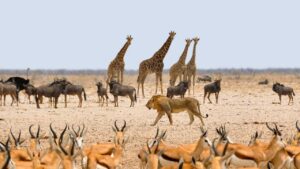
A silent crisis for Nigeria’s wildlife has been in the making for years. Pangolins vanished from the forests. Elephants became hunted. Protected wildlife species became transformed into international market commodities. The slight punishment afforded by the court allowed traffickers to treat it as a cost of doing business. However, this is finally changing. The new wildlife protection legislation acknowledges environmental crimes as serious crimes. This chapter examines what the new law entails regarding the why and how it could redefine conservation and enforcement across the country.
What’s actually in the new law?
Here are some of the main changes brought about by the bill:
- Stiffer penalties: Wildlife traffickers may now be sentenced to a maximum of 10 years in prison and incur fines as high as ₦12 million. That’s quite a leap from previous laws, which had far more leniency regarding penalties: a fine as low as ₦100,000 or imprisonment for between 3 months and 5 years.
- Stronger investigative powers: Investigators will be able to trace financial flows tied to wildlife crime. It gives authorities power to conduct intelligence-led operations just.
- Fast-track justice: Judges are empowered to expedite cases involving wildlife. The law allows asset recovery as well, so money earned from illegal wildlife trade can be seized.
- International cooperation: Aligns with a global treaty, thereby making it easier for transnational enforcement. The law will allow suspects to be extradited. This is a key requirement because wildlife crime sits firmly in international networks.
- Environmental protections expanded: The bill outlaws pollution of wildlife habitat and further prohibits consumption of endangered species, thus raising the bar on habitat conservation.
Why this law may be truly game-changing for Nigeria
This law affects Nigeria in so many ways:
- Tackling organized wildlife crime: For years, Nigeria has always been regarded as a hotspot for ivory, pangolins, and trafficked wildlife. The new law hits at the financial backbone of these criminal networks so that trafficking will become less profitable. When you can freeze the money, seize assets, and prosecute intelligently, that changes the risk-reward equilibrium for traffickers.
- Raising our reputation globally: The new law sends out the message that Nigeria is serious about wildlife. Landmark legislation is what local and international conservationists are calling it. When laws align with international norms, partnership opportunities, intelligence sharing, and joint enforcement with other countries become possible.
- Empowering local communities: Wildlife protection is good for wildlife, but people benefit from wildlife protection too. Over time, safer forests and wildlife reserves can set the stage for eco-tourism, community-ranger programs, and green jobs. But for that to happen, communities must be part of the picture. Marginalized people who rely on forests for food, fuel, or income will need to be given alternatives.
- Strengthening institutions: This is a real mandate bill from the point of view of agencies that include NESREA, customs, and environmental task forces. But those agencies will need training, funding, and coordination. The law is strong; it is now left for those institutions to catch up.
Risks, challenges, and what could go wrong
Passing the legislation is just the first step. Here are some of the real-world threats that could hamper an effective application of the law:
- Underfunding: A good law without a special budget for wildlife enforcement inevitably remains only a great law on paper.
- Corruption and weak enforcement: Investigative powers are useless unless corruption is tackled, and agencies can actually use intelligence operations well.
- Community backlash: People who rely on forests for food, fuel, or income may feel threatened. If the law isn’t implemented with sensitivity and support, it could alienate key stakeholders.
- Judicial capacity: Cases will be solved quickly only if judges and prosecutors are prepared.
- Cross-border enforcement: Trafficking networks don’t stop at the borders of Nigeria. Effective implementation comes with real international collaboration on the ground.
What should happen next for the law to work
Here are some doable actions to ensure that the law not only exists but also affects real change:
- Urge presidential assent: The bill is now at the desk of President Tinubu. Conservation groups, civil societies, and citizens must continue to pressure him to quickly give his assent so enforcement can start.
- Allocate dedicated funds: The government must allocate money specifically for wildlife enforcement. This funding will be needed for law enforcement, intelligence operations, and capacity building.
- Support community-driven conservation: The government should fund programs that give communities real alternatives (eco-tourism, forest-based enterprises) and include local people in conservation planning; empower them as rangers or monitors.
- Train law enforcement and judiciary: Build capacity in customs, NESREA, and task forces to trace financial crimes. Train prosecutors and judges on handling wildlife cases effectively.
- Strengthen regional partnerships: Work closer to neighboring African countries on joint investigations. Use extradition clauses in the law to collaborate with destination countries where trafficked wildlife ends up.
- Measure impact transparently: Establish a public dashboard: track arrests, prosecutions, asset recoveries, and wildlife seizures. Let civil society monitor enforcement and report on where things are working or failing.
Why this new law matters to Nigerians
It might seem like this law has nothing to do with the average Nigerian, but that is not the case, and here is why:
- Economy: Improved protection of wildlife could mean the development of eco-tourism, which would create jobs and sustainable income for rural areas.
- Security: Fighting illegal wildlife trade is combating transnational crime. This law helps cut some of the branches off criminal networks.
- Environment: Healthy ecosystems mean cleaner air, cleaner water, and more resistance to shocks from climate.
- Identity and legacy: Nigeria is not devoid of biodiversity. This law will help conserve what makes our forests, savannahs, and coasts unique for future generations.
Conclusion
Nigeria’s new legislation for wildlife protection can become a turning point in reality. With smart implementation and engagement at community levels, coupled with cross-border cooperation, it can turn the tide against trafficking networks and reduce endangered species while creating green economic opportunities.
This is a moment for all of us: citizens, government, and NGOs to celebrate a “win in parliament.” But even more important, to ensure the law works where it really matters: in our forests, along our borders, and in the lives of people living alongside wildlife in Nigeria.
Related Posts